
Hair Texture Changes After 35: Hormones, Thinning & Extension Solutions
Many women begin to notice changes in their hair during their mid to late 30s. These changes often affect texture, density, moisture retention, and overall manageability. While they may feel sudden, they are most commonly linked to natural hormonal shifts that occur with age.
Understanding how hormones influence hair structure helps explain why hair behaves differently after 35 and why treatment approaches often need to evolve beyond traditional cutting and styling alone.
The Role of Hormones in Hair Health
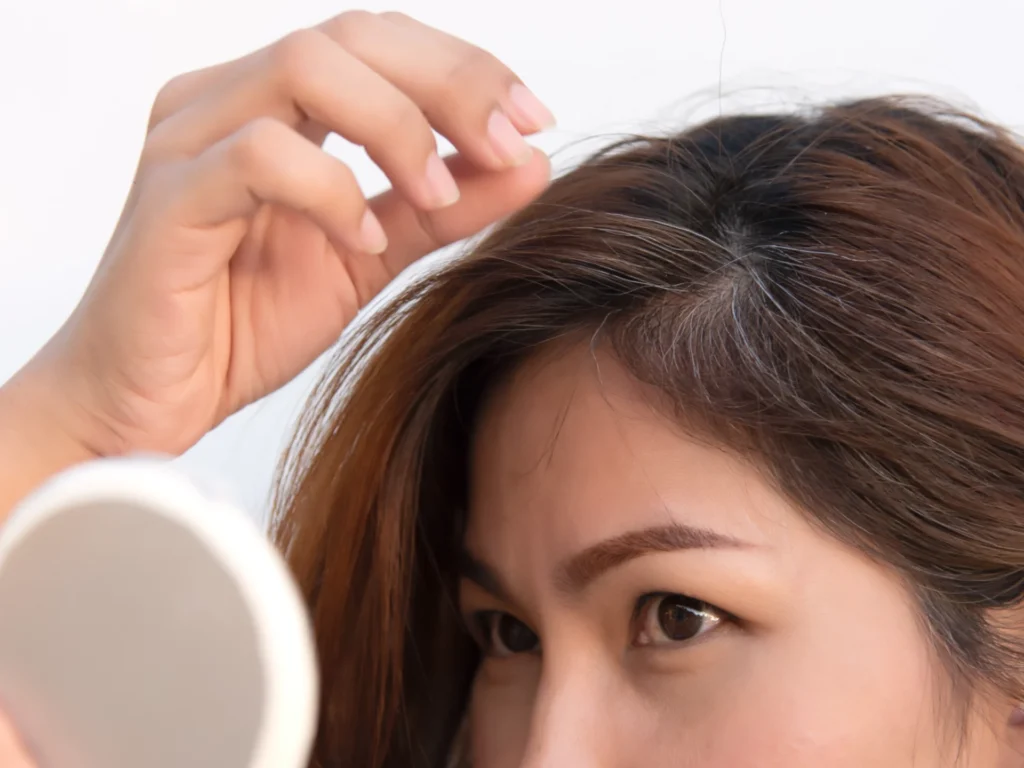
Hair growth, density, and texture are strongly influenced by hormonal activity, particularly estrogen, progesterone, and androgens. The hair follicle itself is an estrogen-sensitive structure, meaning it responds directly to hormonal fluctuations throughout a woman’s life.
Estrogen plays a critical role in maintaining the hair growth cycle by supporting the anagen, or growth, phase. It also contributes to hair shaft diameter, elasticity, and overall density. As estrogen and progesterone levels begin to fluctuate and decline after 35, these protective effects may lessen.
Clinical research has shown that hormonal transitions can directly affect both the hair cycle and the physical structure of the hair fiber. According to a 2025 review published in Maturitas:
“Hormonal fluctuations directly impact the hair follicle, which is an estrogen-sensitive tissue. These hormonal fluctuations can lead to alterations in the hair shaft and hair cycle, including decreased density, decreased caliber, and changes in hair texture.”
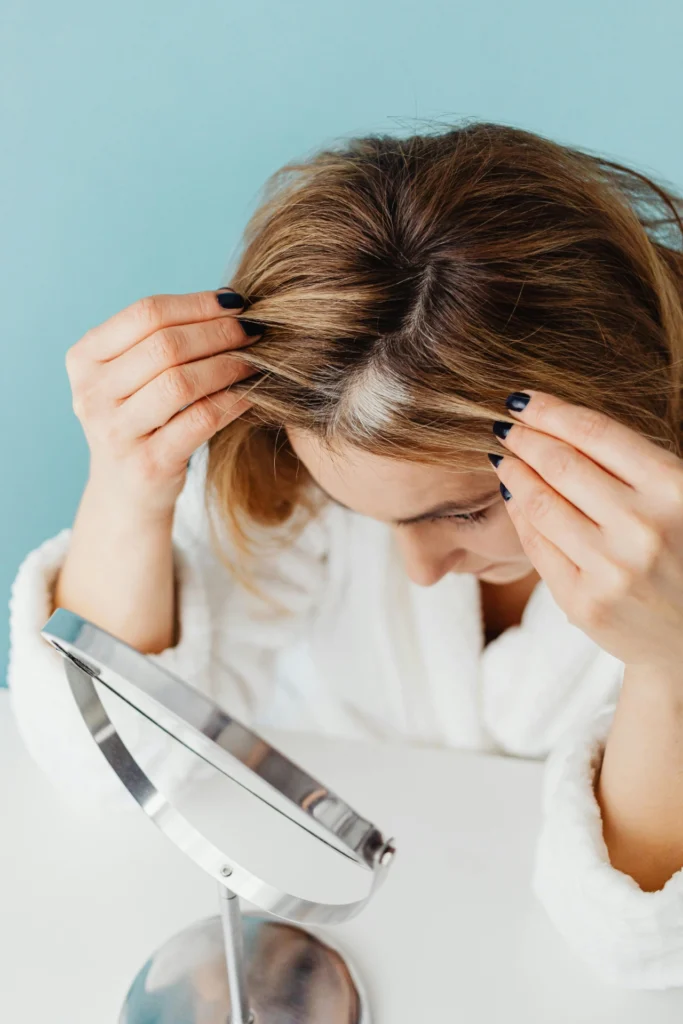
As the growth phase shortens, individual strands may grow to a shorter length and appear finer in diameter. Over time, this can result in reduced overall volume, increased fragility, and changes in texture, particularly in hormonally sensitive areas such as the crown and frontal hairline.
Increased sensitivity to androgens may further contribute to diffuse thinning patterns, while elevated cortisol levels associated with chronic stress can disrupt normal growth cycles and impair moisture retention.
Together, these factors help explain why many women experience noticeable changes in hair behavior, density, and manageability after 35, even when hair care routines have remained consistent.
Common Texture and Density Changes After 35
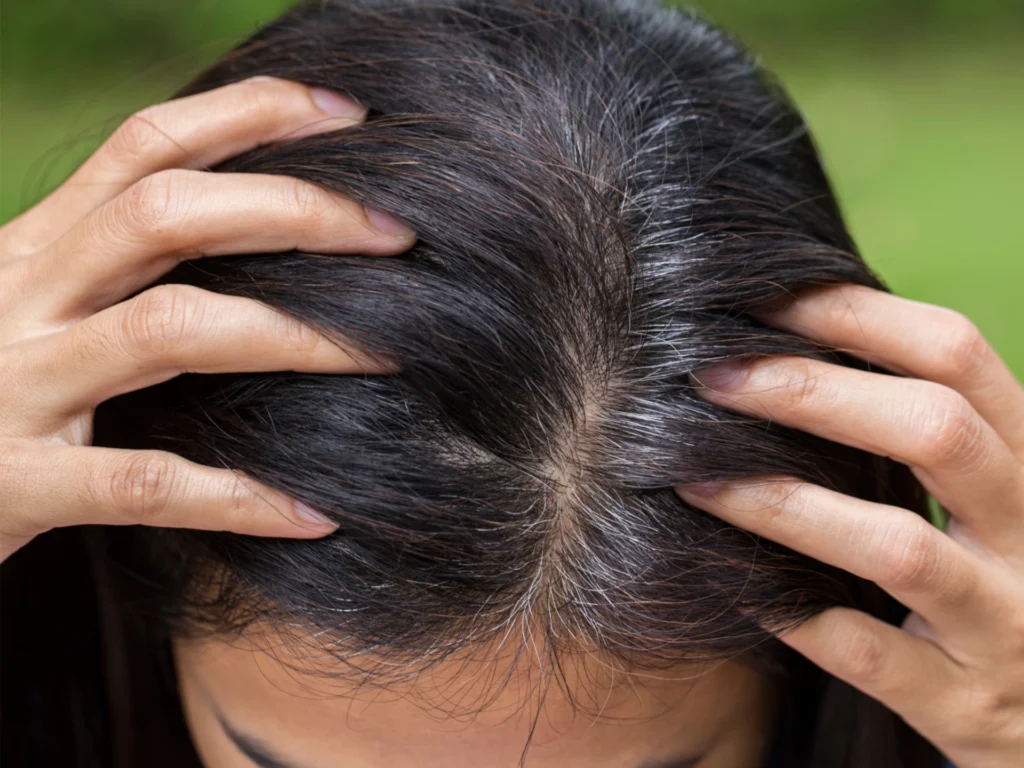
Hormonal shifts can present differently from person to person, but frequently observed changes include:
- Loss of volume through the crown or part line
- Increased dryness and reduced elasticity
- Inconsistent curl or wave patterns
- Thinning through the mid-lengths and ends
- Hair that feels lighter, flatter, or less responsive to styling
For women living in the Main Line and Philadelphia suburbs, seasonal humidity and indoor heating can intensify these issues, making consistency and manageability more difficult.
Why Hair May No Longer Respond the Same Way
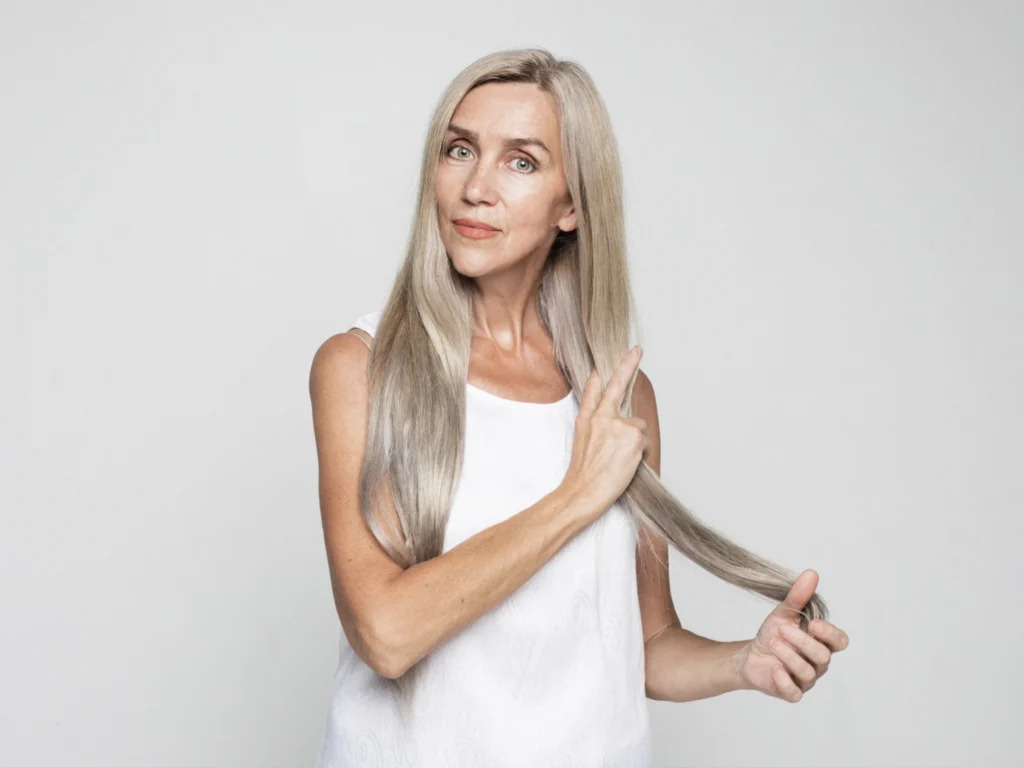
As the internal structure of the hair fiber changes, hair may stop responding predictably to traditional styling techniques. Blowouts may lose shape more quickly, curls may stretch or separate, and hair may appear uneven despite regular maintenance.
Color services can also be affected. Gray hair often has a more resistant cuticle, while hormonally altered hair may process unevenly or appear dull without adequate structural support.
In many cases, these concerns are less about style and more about the loss of density and internal balance within the hair itself. This is why solutions that focus on reinforcement and structure, such as professional extensions, are increasingly relevant after 35.
The Importance of Customization and Extension-Based Solutions
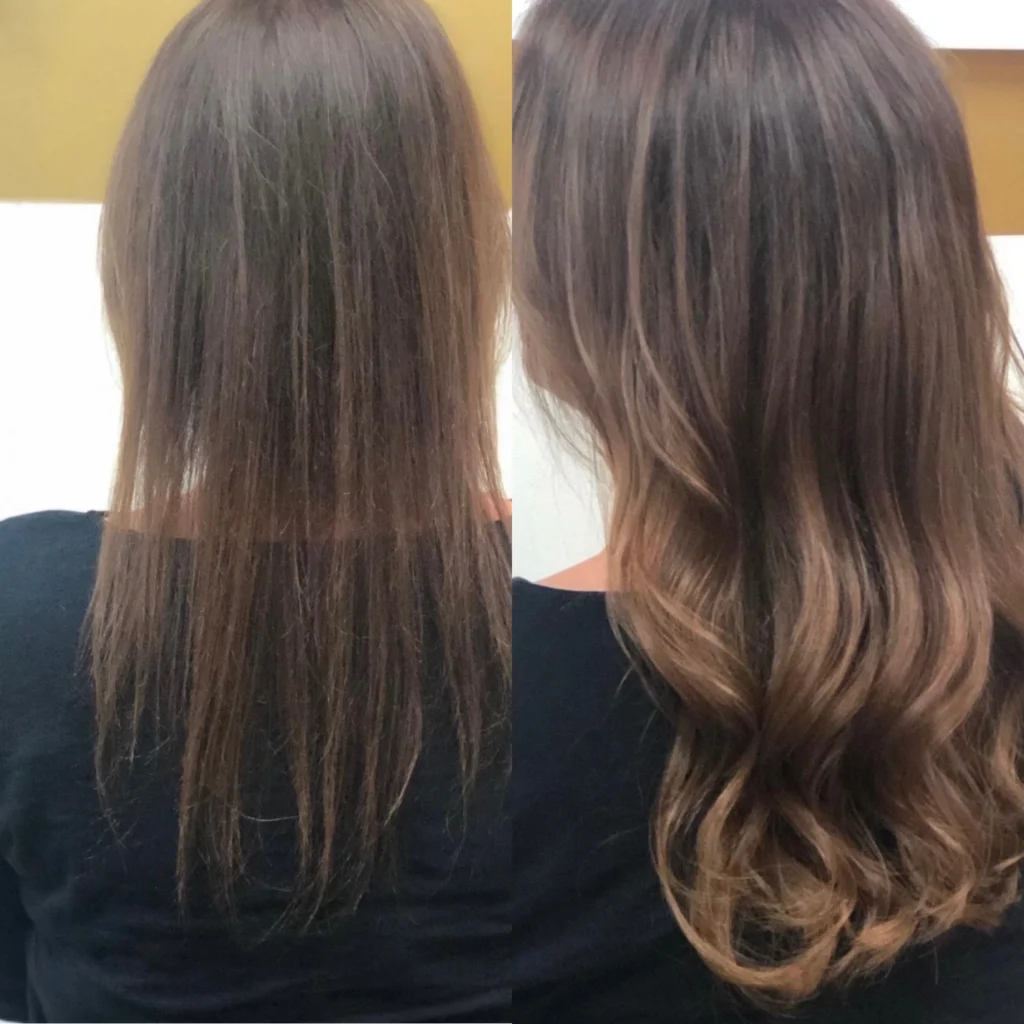
As hormonal changes affect both texture and density, addressing hair concerns often requires more than adjusting length or layering. Structural enhancement becomes a central focus.
Hair extensions, when professionally selected and applied, can provide controlled density, improved weight distribution, and visual consistency throughout the hair. Modern extension methods are designed to work with fine or hormonally affected hair, supporting fragile areas without adding unnecessary stress.
Customization is essential. Extension type, placement, weight, and attachment method must align with current hair density, growth patterns, and scalp sensitivity. This allows for a natural appearance while maintaining comfort and long-term hair health.
In many cases, cutting is used only to refine and blend extensions rather than to change the overall shape. The primary objective is to restore fullness, balance, and predictability rather than to create a new haircut.
Hair Extensions and Hormonal Hair Loss
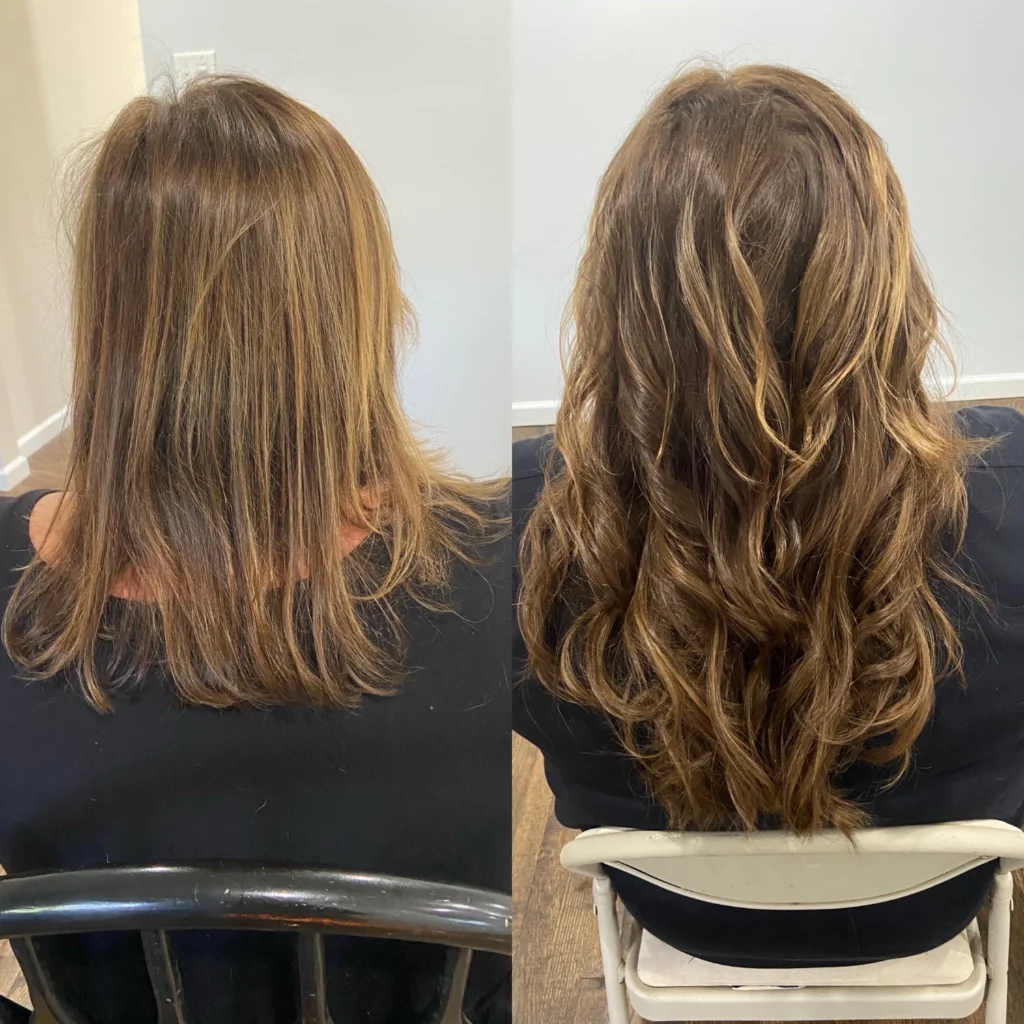
Hormonal hair loss often presents as diffuse thinning rather than isolated bald spots. Women may notice widening parts, reduced ponytail thickness, or transparency through the crown and temples.
Professionally applied extensions can help manage the visual impact of this type of hair loss while preserving existing hair. When applied correctly, extensions do not pull or stress compromised follicles. Instead, they redistribute weight and create uniform density, allowing hair to appear fuller and healthier.
For women experiencing postpartum hair changes, perimenopausal thinning, or hormonally driven density loss, extension strategies are carefully adjusted over time. This includes ongoing evaluation of hair growth patterns, density changes, and overall scalp health.
Extensions should always be part of a comprehensive plan rather than a one-time solution. Proper maintenance and periodic reassessment ensure that hair remains supported as hormonal changes continue.
Color and Extensions After 35
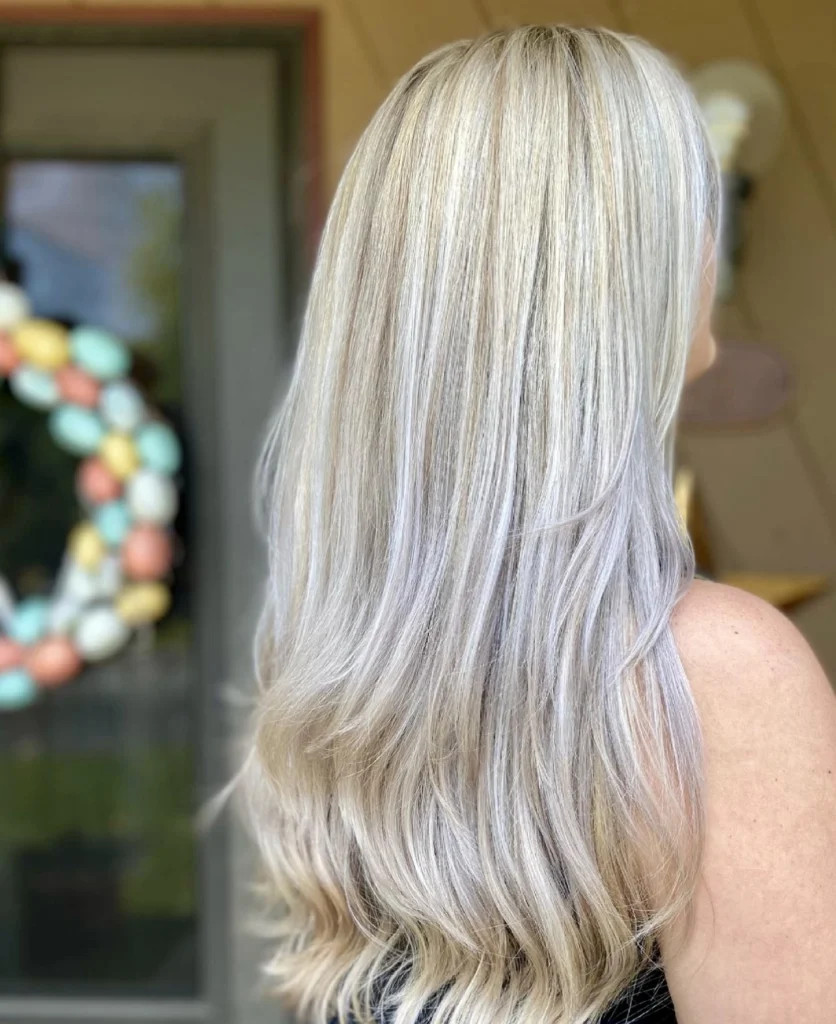
Color services after 35 often require adjustments, particularly when extensions are involved. Gray blending, highlight placement, and tone selection must account for both natural hair and extension hair to maintain cohesion and dimension.
A professional approach prioritizes hair integrity, moisture retention, and longevity of results. When extensions are part of the plan, color strategies are designed to reduce stress on natural hair while enhancing overall fullness and brightness.
Why In-Residence Hair Services Matter More After 35
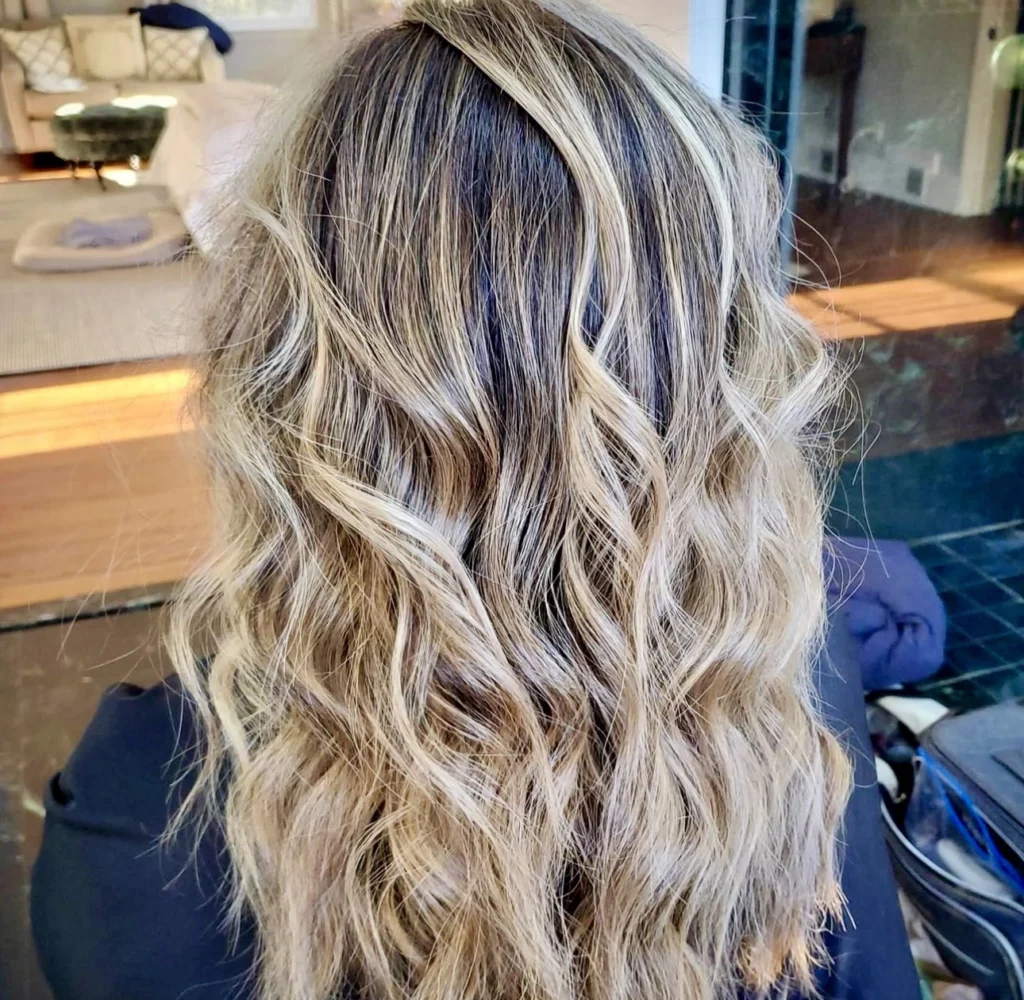
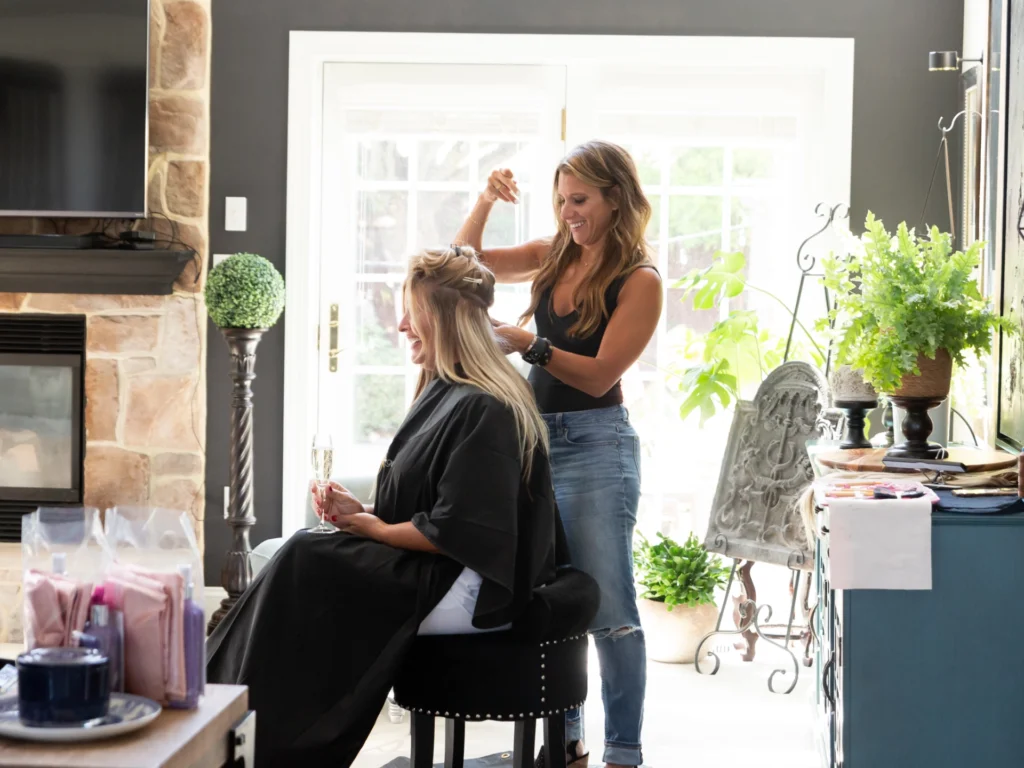
As hair concerns become more nuanced, the service environment becomes increasingly important. In-residence hair services allow for focused private consultations, precise assessments, and individualized solutions that reflect daily styling habits and environmental factors.
For women along the Main Line communities, this model supports continuity of care without the time demands of a traditional salon visit.
Evaluating hair in its natural environment also allows extension placement and customization to be more accurate, particularly for women managing hormonally driven changes.
Supporting Hair Health Through Ongoing Professional Care
Hormonal changes cannot be prevented, but their effects on hair can be managed through informed, adaptive care. Long-term success relies on professional oversight that evolves alongside physiological changes.
This approach typically includes:
- Moisture-focused and protein-balanced product selection
- Minimizing mechanical and heat stress
- Periodic treatments to support hair integrity
- Extension maintenance plans tailored to changing density
A Clinical Perspective on Hair Changes After 35
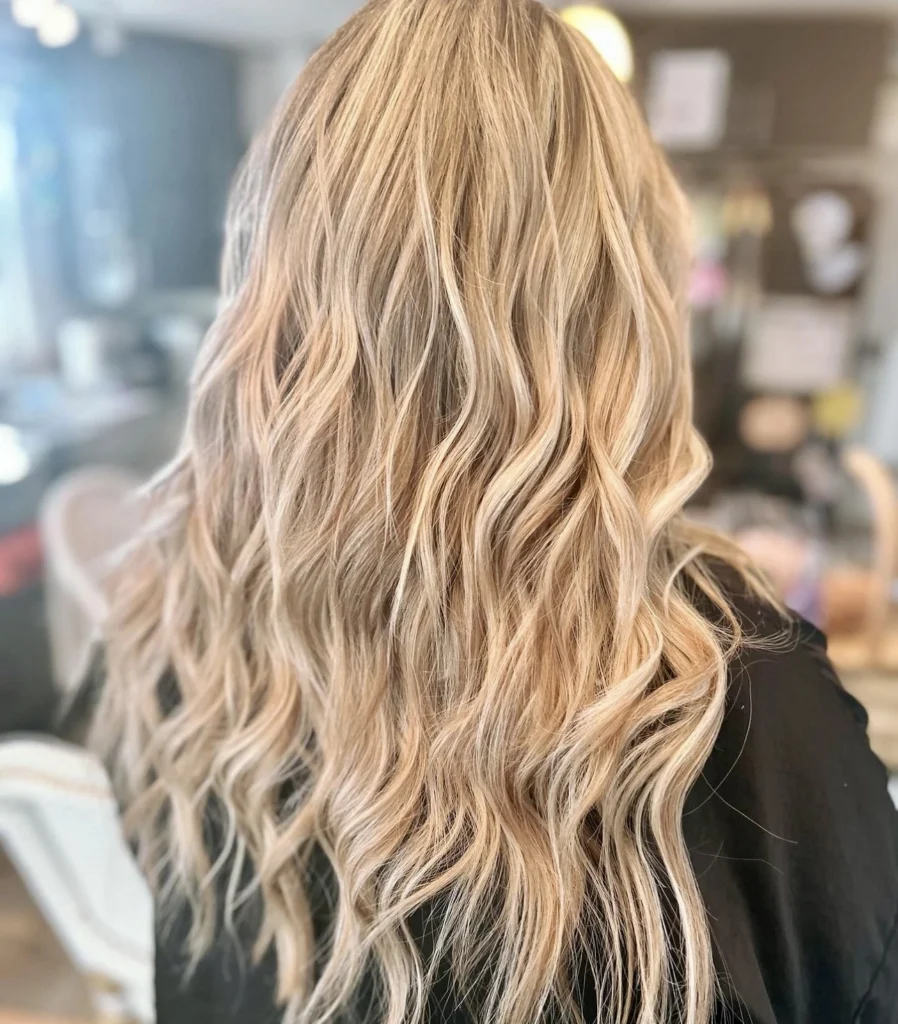
Hair texture and density changes after 35 are a normal part of hormonal transition. With the right technical strategies and personalized care, hair can remain healthy, balanced, and visually full throughout this stage of life.
Concihairge provides private, in-residence hair services that prioritize precision, customization, and extension-based solutions for women throughout the Main Line who value expertise, discretion, and results-driven care.
Proudly and privately serving women throughout the Main Line and Philadelphia suburbs, including Villanova, Gladwyne, Wayne, Berwyn, Malvern, Bala Cynwyd, King of Prussia, Ambler, Bryn Mawr, Chestnut Hill, Haverford, Newtown Square, Blue Bell, West Chester and Conshohocken.