

Ozempic and Hair Loss
In recent years, GLP-1 receptor agonists such as Ozempic, Wegovy, and Mounjaro have gained attention not only as diabetes treatments but also as game-changers in the realm of weight loss. While many women are seeing meaningful improvements in their health and well-being, there’s an unexpected side effect that’s becoming a growing concern: hair loss.
If you’re a woman navigating the responsibilities of career, family, and self-care, the last thing you want is to feel like you’re losing more than just weight. Here’s what you need to know about the connection between Ozempic, GLP-1 medications, and hair thinning—and how a trusted, experienced stylist can be part of your support system during this transition.
What Are GLP-1 Medications and Why Are They So Popular?
GLP-1 stands for glucagon-like peptide-1, a hormone that helps regulate blood sugar and appetite. Medications like Ozempic (semaglutide) and Mounjaro (tirzepatide) mimic this hormone to:
- Slow gastric emptying
- Reduce appetite
- Improve insulin sensitivity
- Promote weight loss
These medications were originally developed for type 2 diabetes, but their dramatic weight-loss effects led to broader FDA approvals and widespread off-label use. For women seeking to manage metabolic health or reduce obesity-related risks, these drugs have offered real hope.
Is Hair Loss a Side Effect of Ozempic?
Ozempic and Hair Loss
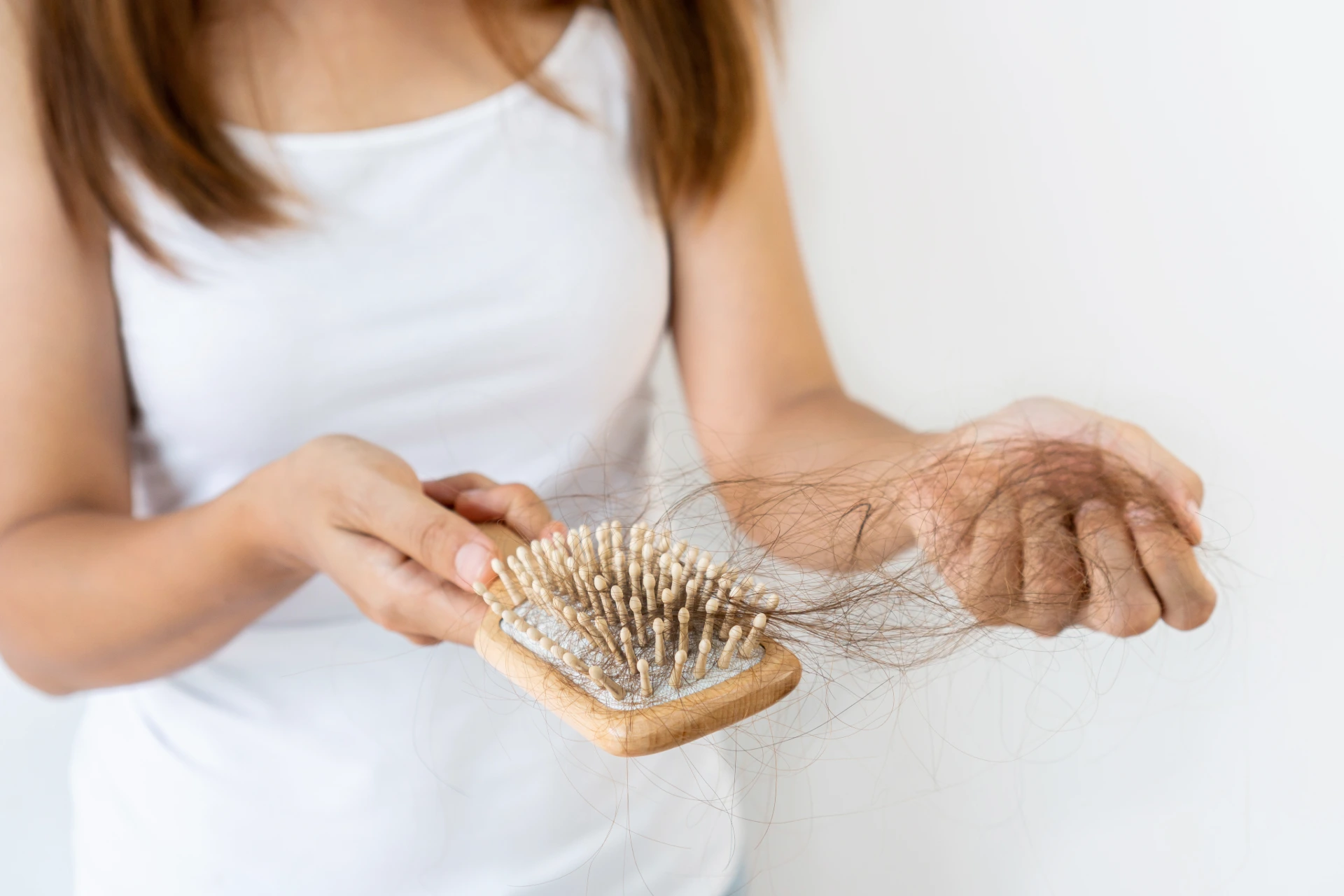
While hair loss is not officially listed as a side effect of Ozempic or other GLP-1 medications, growing anecdotal reports and expert observations suggest a link—especially in women experiencing rapid weight loss. According to Health.com, the phenomenon is likely not due to the medication itself, but rather the body’s response to sudden, significant weight reduction.
This condition—known as telogen effluvium—is a temporary form of hair loss triggered by stress to the body, including drastic calorie changes and shifts in metabolism. In other words, if you’re taking Ozempic and shedding pounds quickly, your hair may also start shedding as a result. Health experts emphasize that this type of hair loss is usually temporary and reversible with time, nutritional support, and gentle hair care practices.
Why Hair Loss Happens During Weight Loss
Hair growth operates in cycles:
- Anagen (growth)
- Catagen (transition)
- Telogen (resting/shedding)
When your body goes through a major shift—like significant calorie restriction, hormonal changes, or nutritional deficits—it can push a higher percentage of your hair into the telogen phase, triggering sudden, diffuse shedding across the scalp. Nutrient deficiencies, especially in iron, zinc, protein, and biotin, are common culprits. So even if you’re taking Ozempic responsibly under medical supervision, the combined impact of appetite suppression, fewer calories, and changes in metabolism can trigger visible thinning.
What You Can Do to Support Healthy Hair

Ozempic and Hair Loss
1. Prioritize Nutrient Intake
Don’t let your calorie deficit rob you of key vitamins and minerals. Focus on:
- Lean proteins (essential for keratin production)
- Iron-rich foods like spinach and lentils
- Biotin, zinc, and vitamin D
If your appetite is low, talk to your doctor or a dietitian about supplements to maintain hair health.
2. Reduce Stress on the Scalp
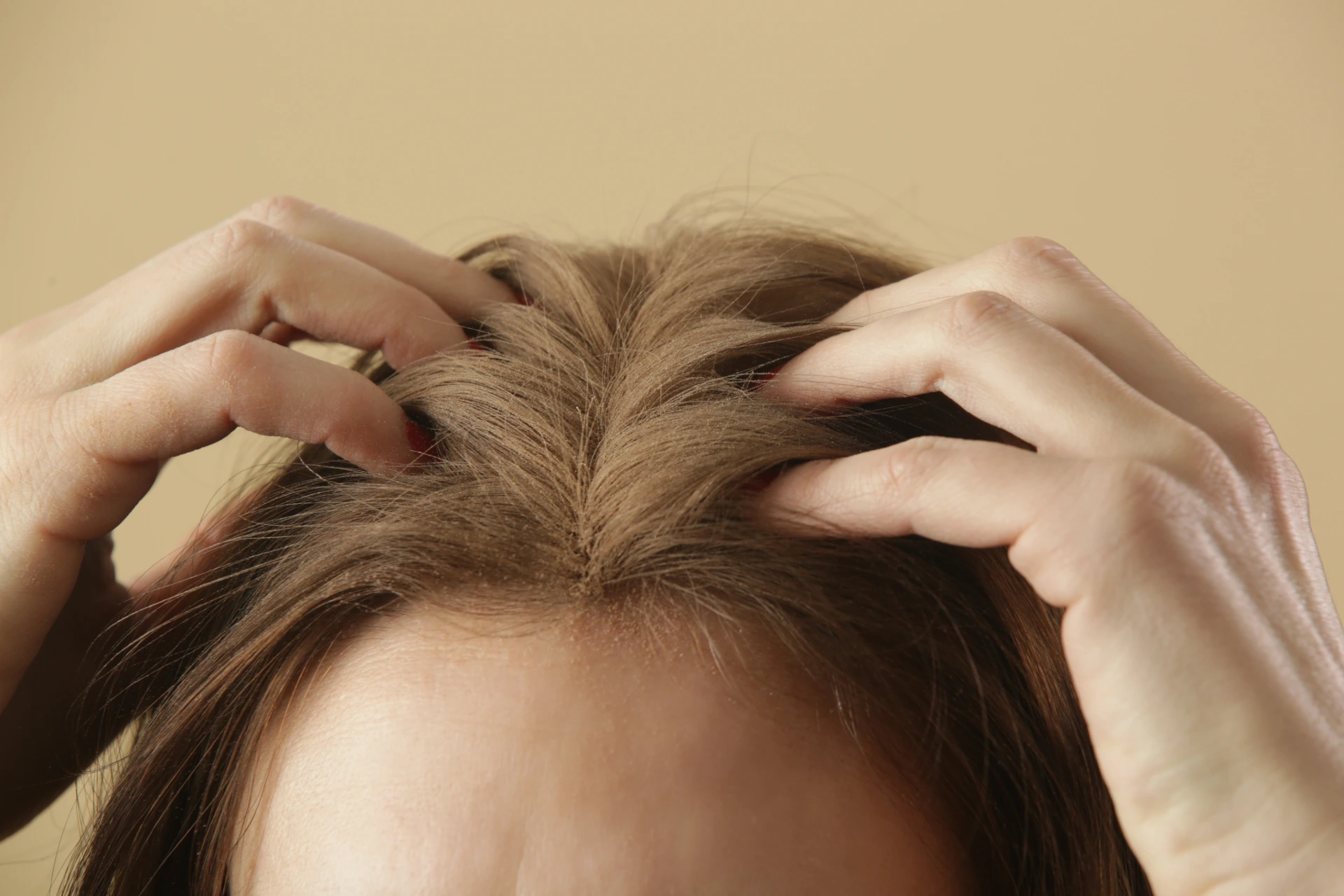
Avoid tight ponytails, heat styling, and chemical treatments that can further weaken strands already under stress.
3. Stay Hydrated

3. Stay Hydrated
Hydration helps maintain the elasticity and health of both your skin and scalp.
4. Consider Professional Support
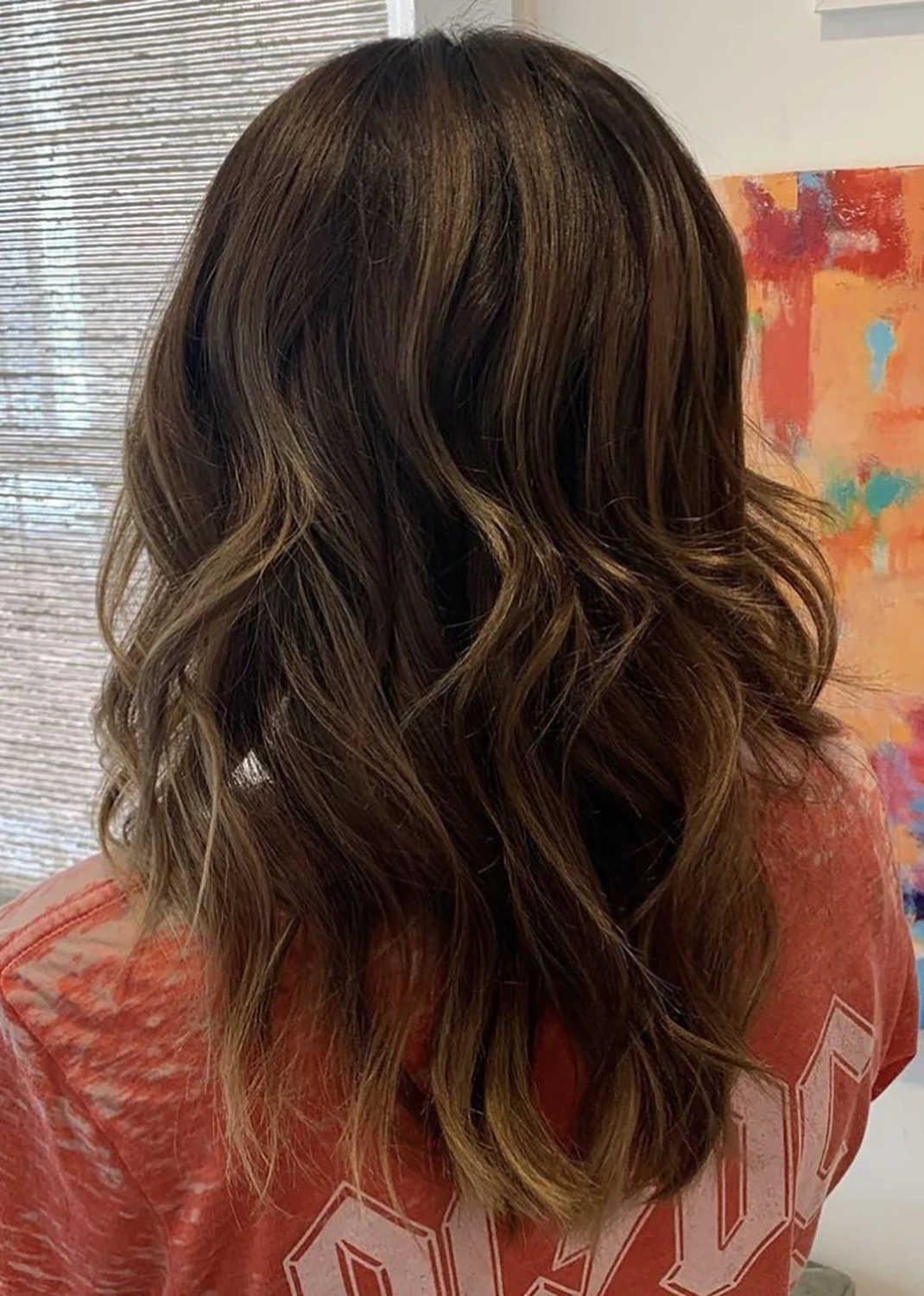
This is where working with a professional stylist becomes invaluable, especially one who can come to your home and offer discreet, expert advice.
Our stylist Jessica McHugh recommends: “You should be getting haircuts when needed and getting rid of the dead ends and sometimes even giving it a good chop to invigorate and refresh the hair. Being gentler on your hair with heat and color. Less blow drying and not using harsh chemicals on the hair like lightener or straightening treatments.”
How a Concihairge Stylist Can Help
Hair thinning, especially when it happens suddenly, can feel deeply personal. And for busy women juggling careers, parenting, and personal wellness, the idea of sitting in a public salon while trying to figure it all out? Not exactly appealing.
At Concihairge, our in-home hair salon services offer a better way. Here’s how:
- Privacy & Comfort: We come to your home, offering compassionate, knowledgeable care without judgment.
- Customized Styling for Thinning Hair: Our stylists understand the science of hair loss and can recommend smart, flattering cuts to give the illusion of fullness.
- Color That Cares: If you’re seeing signs of thinning, we offer gentle, professional color services that minimize scalp stress.
- Hair Extension Options: We also offer lightweight, professionally blended extensions (like Genius Wefts or Ktips) for women looking to restore volume with subtlety and care.
You’re not just booking a haircut. You’re bringing a trusted professional into your corner—someone who understands both the science and the emotion behind sudden changes to your hair.
You’re Not Alone—And You Deserve Support
Hair loss related to GLP-1 medications is temporary in many cases—but that doesn’t make it less distressing. The good news is, with the right nutritional support, styling strategies, and professional help, you can regain your confidence while your hair regrows.
Whether you’ve just started Ozempic, have been on it for months, or are navigating post-weight-loss hair changes, we’re here to help.
Ready for Expert Hair Support in the Comfort of Your Own Home?
Book your in-home appointment with Concihairge today and let our stylists help you look and feel your best—without adding one more thing to your to-do list.
Concihairge proudly serves the Main Line and surrounding Philadelphia suburbs, including Villanova, Wayne, Berwyn, Malvern, Bala Cynwyd, King of Prussia, Ambler, and Bryn Mawr.