
Perimenopause and Hair
There are seasons in a woman’s life that quietly reshape her day-to-day rhythm. Perimenopause often arrives softly. A shift in your sleep. A mood that feels a little different. And often, changes in your hair that make you pause in the mirror and ask: What is happening?
If you are between 35 and 55 and living here on the Main Line, balancing busy days with family, work, and community — you may suddenly notice your hair looking thinner, dryer, or more fragile. It becomes more than a beauty issue. It feels personal.
As women who have walked or are walking this path ourselves, and as stylists who care deeply for the women in our community, we want you to know this truth. Perimenopause may change your hair. But you are not powerless. With thoughtful care, the right routine, and a stylist who comes directly to your home so you do not need to spend an afternoon in a busy salon, you can still love your hair at every stage.
Why Perimenopause Often Changes Hair

When you enter perimenopause, hormones like estrogen and progesterone begin to fluctuate and decline. These hormones play a protective role for hair: they help keep hair follicles in a prolonged growth phase (the anagen phase), promote healthy scalp oils, and support follicle vitality. (Hair GP)
As estrogen and progesterone decrease, two things happen. First, the growth phase of hair shortens while resting and shedding phases (catagen/telogen) become more frequent. This results in more hairs shedding and fewer new hairs growing in. (Dr Kenton Bruice, MD)
Second, the balance shifts toward androgens (male-type hormones such as testosterone and its more potent derivative DHT). These can make follicles smaller and weaker, producing thinner, shorter, more fragile strands. This “miniaturization” of hair follicles is characteristic of female pattern hair thinning, which often becomes more evident during perimenopause. (Hilaris Publishing SRL)
Because of this hormonal shift many women notice: more shedding, less density, brittleness, dryness, scalp dryness or sensitivity, slower growth, changes in texture, or a widening part line. (hers)

Caring for Hair During Perimenopause
Your hair needs something different now. More nourishment. More moisture. More gentle care. And a stylist who understands exactly how hormones affect hair — one who can come directly to your home so you get expert care without logistical stress.
Here are some pillars for caring for perimenopausal hair:
Hydrate and Strengthen
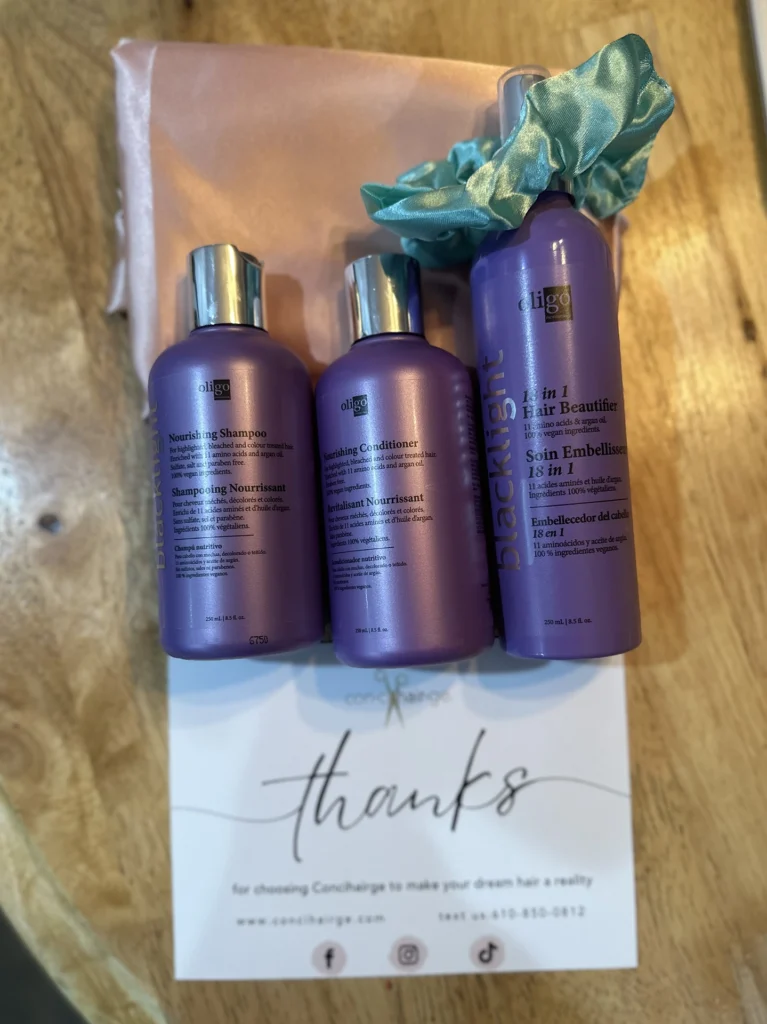
With sebum production decreasing, your scalp and hair may become dryer. Use moisture-rich, nourishing shampoos and conditioners. Incorporate gentle leave-in conditioners, lightweight oils on ends, and deep conditioning treatments. These help restore hydration and reduce brittleness.
Refresh Your Cut or Shape
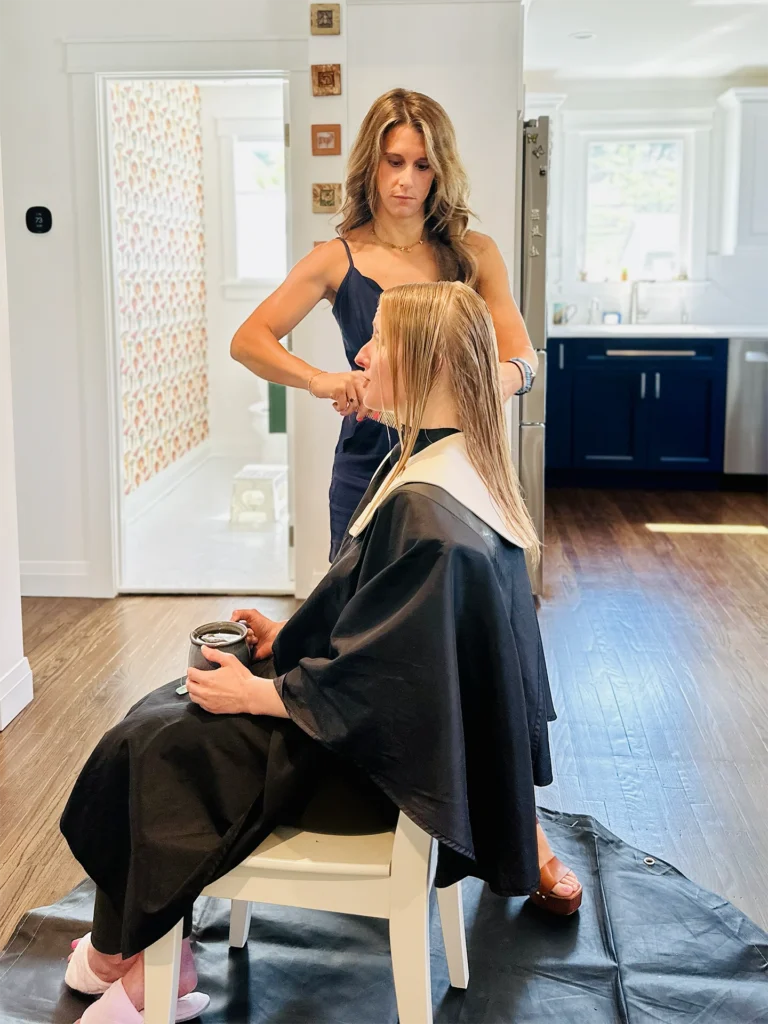
As texture and density shift, a previous haircut may no longer behave the same. A strategic trim or shape adjustment can restore movement and make styling easier. At-home styling with a skilled stylist can restore bounce and shape when your hair feels limp or heavy.
Use Color & Lightening to Add Volume and Dimension
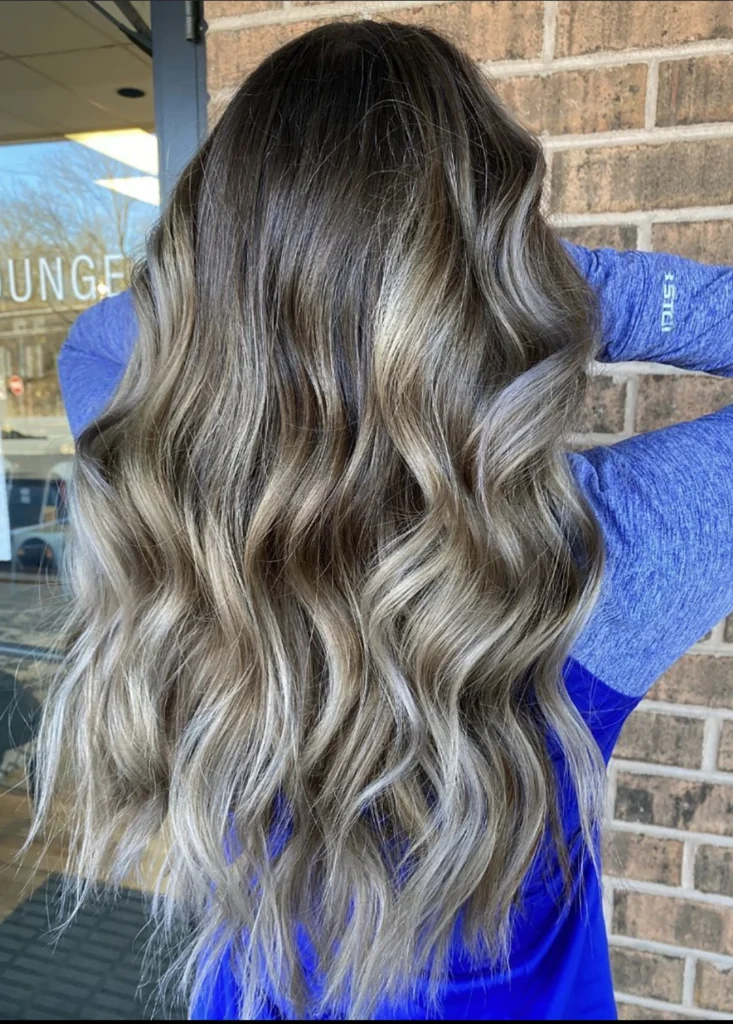
Color techniques like subtle highlights or balayage add dimension and depth — which can visually thicken and give the illusion of fuller hair. Lighter pieces reflect light, creating movement and volume even in fine or thinning hair.
Consider Extensions for Thinning Hair
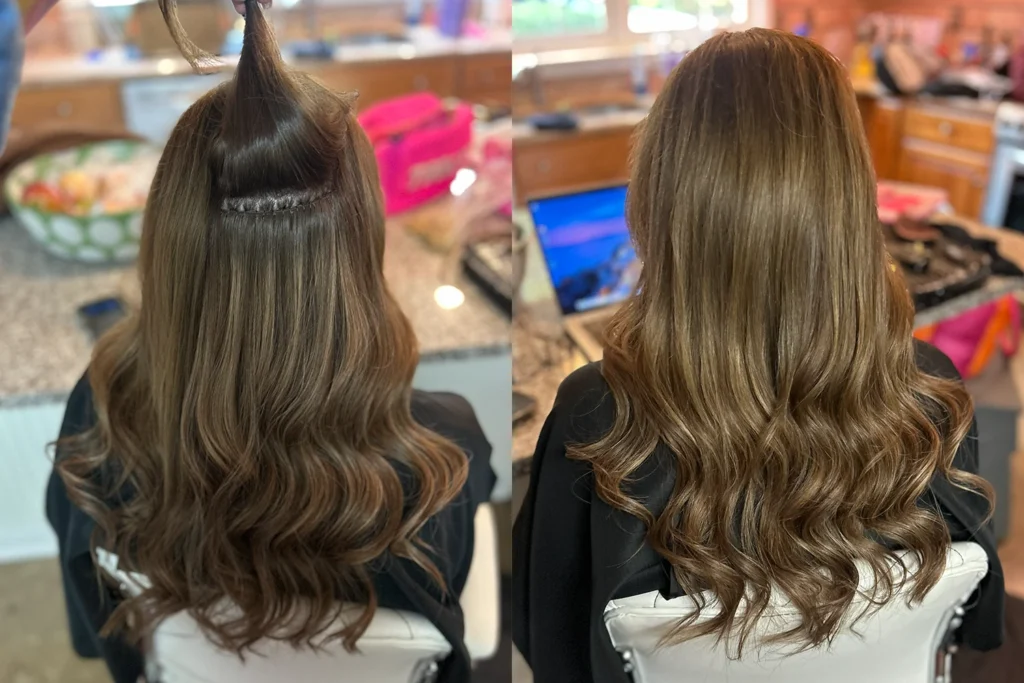
For some women, perimenopause leads to more noticeable thinning. In those cases, carefully applied extensions can restore fullness, confidence, and volume. Because they’re done professionally and blended naturally, they look and feel like real hair — but with more body and density.
Treat with Keratin or Smoothing Treatments
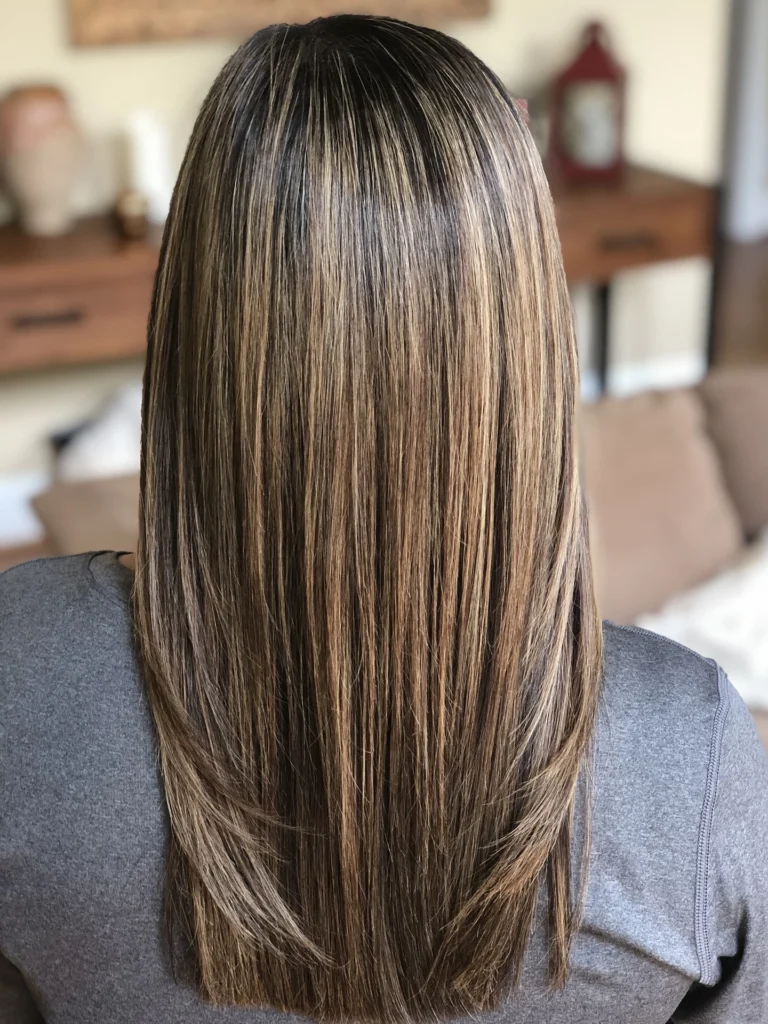
Hormone-related dryness can also lead to frizz, breakage, and increased porosity. Keratin treatments smooth the hair, add shine, reduce frizz, and make hair more manageable. That means less time stressing over daily styling and more time feeling confident.
Be Gentle with Styling and Heat
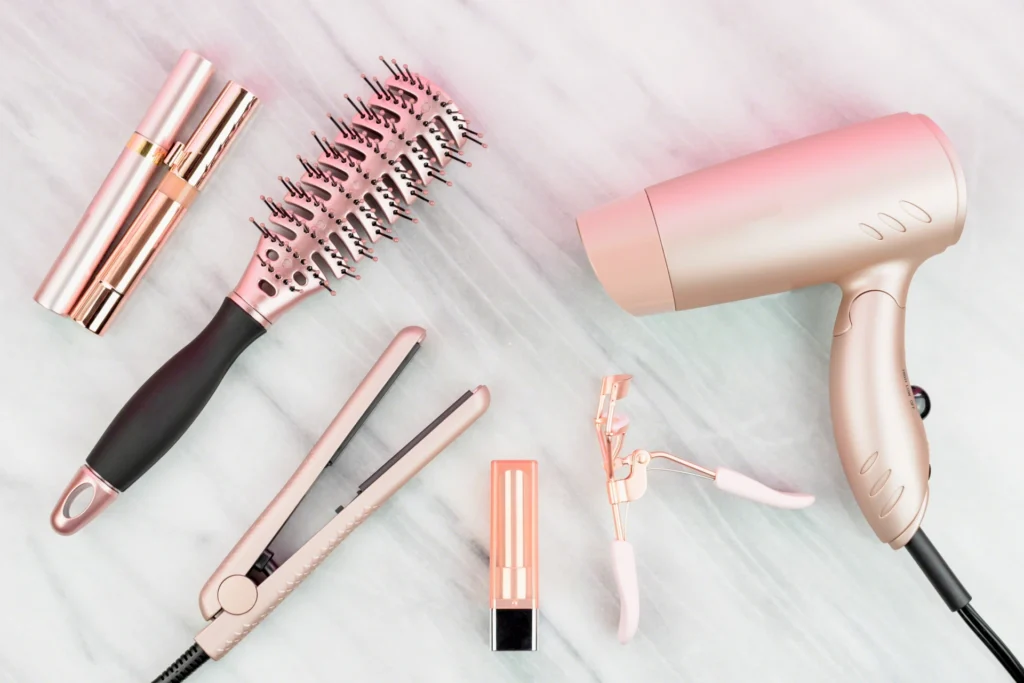
Fragile hair benefits from reduced heat styling. Use heat protectants, lower temperatures, and limit frequent blow-drying. Air-drying when possible helps preserve hair integrity.
Support Scalp Health & Circulation
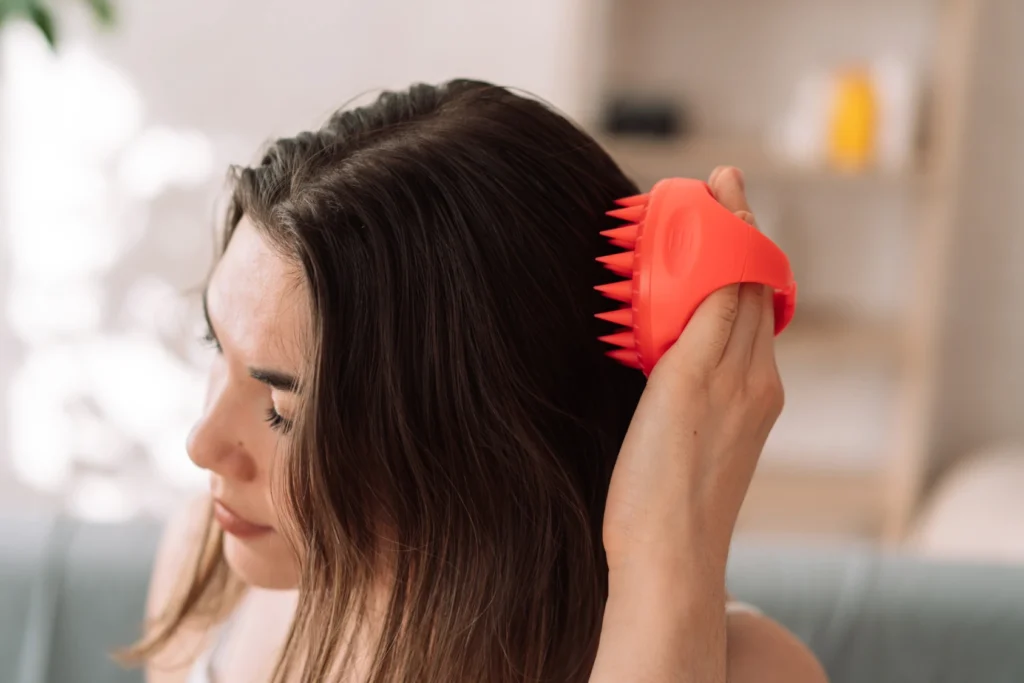
Healthy hair grows from a healthy, nourished scalp. Regular scalp massages, gentle exfoliation, or scalp treatments can help improve circulation, support follicle health, and encourage stronger regrowth.
Why In-Home Salon Services Are Ideal During Perimenopause
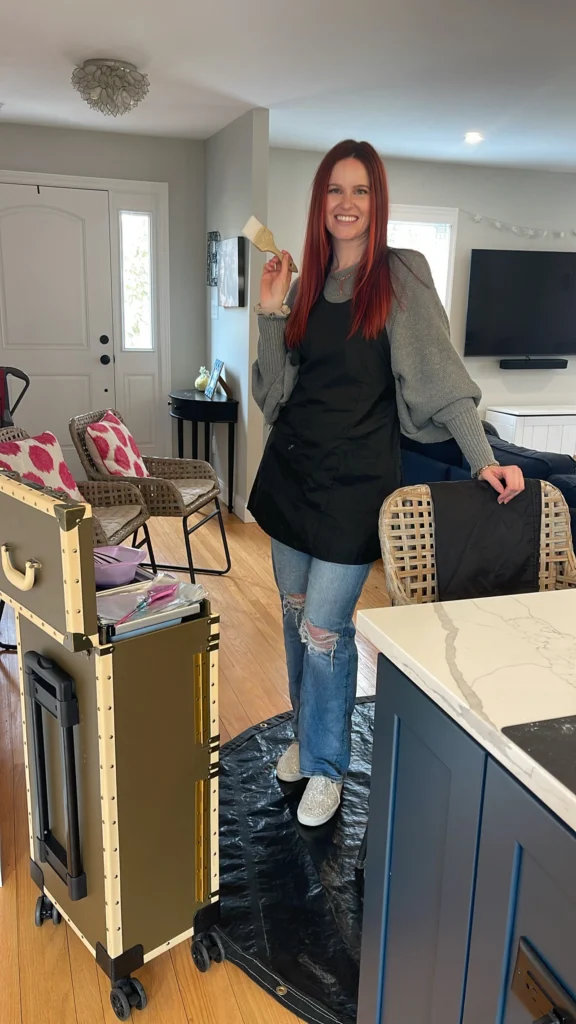
When your schedule is full and your energy is limited, self-care can easily slip down the priority list. That is where in-home salon services shine. You avoid planning childcare, traffic, parking, or noisy salon environments. Instead, you receive expert, calm, personalized haircare in the comfort of your own home.
With a stylist coming to you, you get:
- Private, one-on-one attention
- A calm, unhurried experience tailored to your hair’s new needs
- Personal recommendations (for treatment, color, shape, or care routine)
- Convenience that fits your life as it evolves
For women experiencing thinning, dryness, or texture changes during perimenopause, this kind of care can make all the difference.
A Gentle Invitation
If you are beginning to notice changes in your hair — more shedding, less volume, dryness, or thinning — know you are not alone. And you do not have to struggle through it. At Concihairge we offer services that can help you navigate this season gracefully: from highlights or balayage to add a fuller appearance, to keratin smoothing treatments for dryness, and extensions for extra volume when you want it.
We bring salon-level haircare directly to your home so you can feel confident, cared for, and truly yourself again.
Serving women throughout the Main Line and Philadelphia suburbs including West Chester, Villanova, Wayne, Berwyn, Malvern, Bala Cynwyd, King of Prussia, Ambler, Bryn Mawr, Wynnewood, Exton, all the way to the Main Line and Philadelphia Suburbs.